
Book & Claim gains momentum as a catalyst for shipping decarbonisation
A new report by the Mærsk Mc-Kinney Møller Center for Zero Carbon Shipping and Smart Freight Centre highlights how Book & Claim can unlock demand for low emission fuels in shipping and other hard to abate sectors.
What are Market-Based Measures in transport decarbonisation?
What are Market-Based Measures in transport decarbonisation? Market-based measures are becoming an important part of transport decarbonisation. They help companies reduce logistics emissions when direct access to low-emission transport solutions is limited, fragmented or not yet available on every route. For cargo owners, freight forwarders, transport platforms and companies with Scope 3 logistics emissions, this […]
SBTi Corporate Net-Zero Standard V2.0 and Transport Emissions
Transport emissions are among the hardest Scope 3 emissions to reduce. The updated SBTi Corporate Net-Zero Standard Version 2.0 provides greater clarity for companies tackling Scope 3 transport emissions. Learn what it means for transport decarbonization, Book & Claim, and credible climate action.
Scope 3 Logistics Emissions: A Practical Guide for Businesses
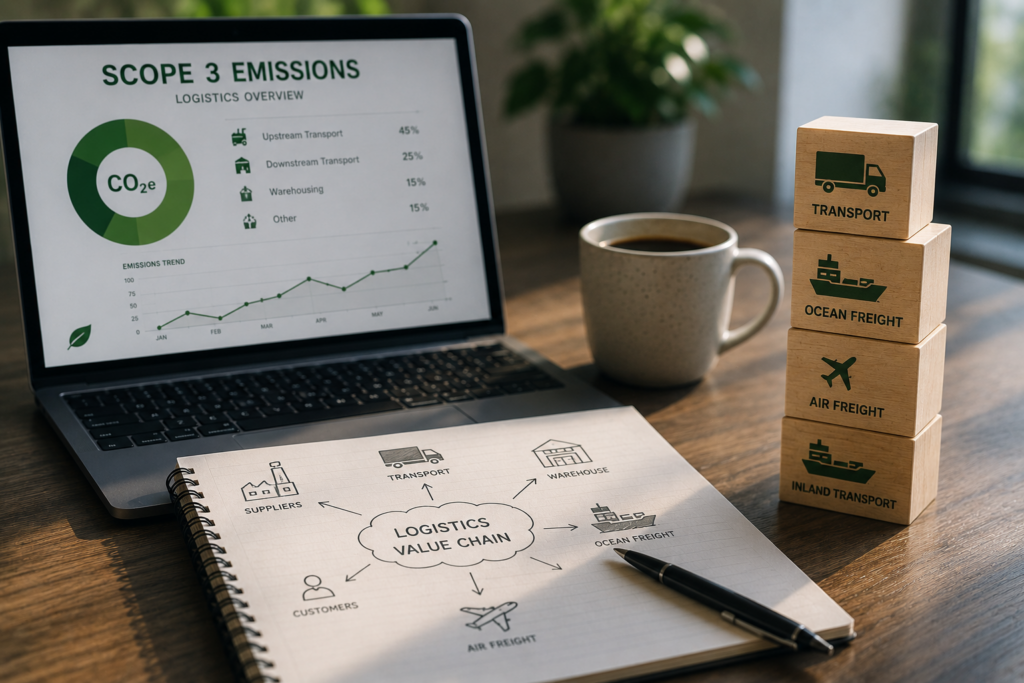
Scope 3 logistics emissions can be difficult to measure and manage across complex supply chains. This practical guide explains how businesses can calculate, report and reduce transport emissions using the GHG Protocol, ISO 14083, sustainable biofuels, Book & Claim and transport insetting to support credible climate action.
How APIs Scale Transport Decarbonisation | Decarb Desk®
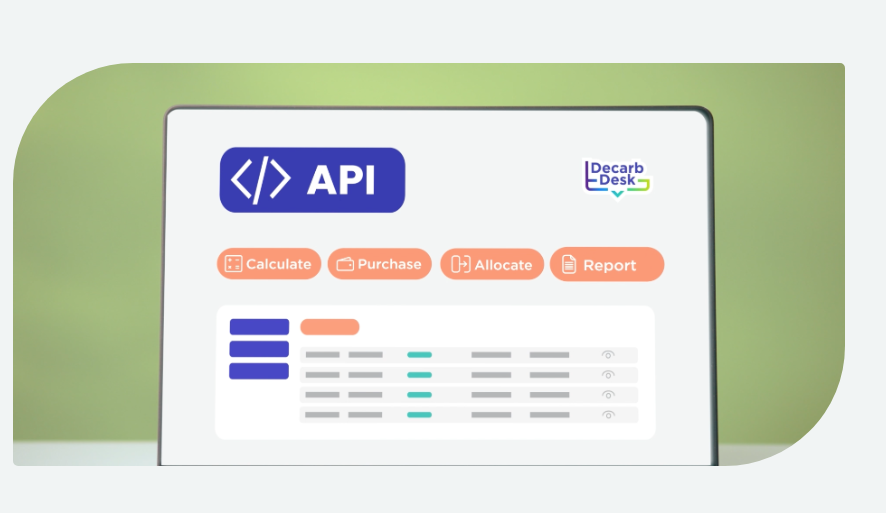
Learn how freight platforms, TMS providers, fuel card platforms and digital freight forwarders can use APIs to offer verified CO₂e reductions through Decarb Desk’s API.
Scope 3 transport emissions: what to measure, report and reduce
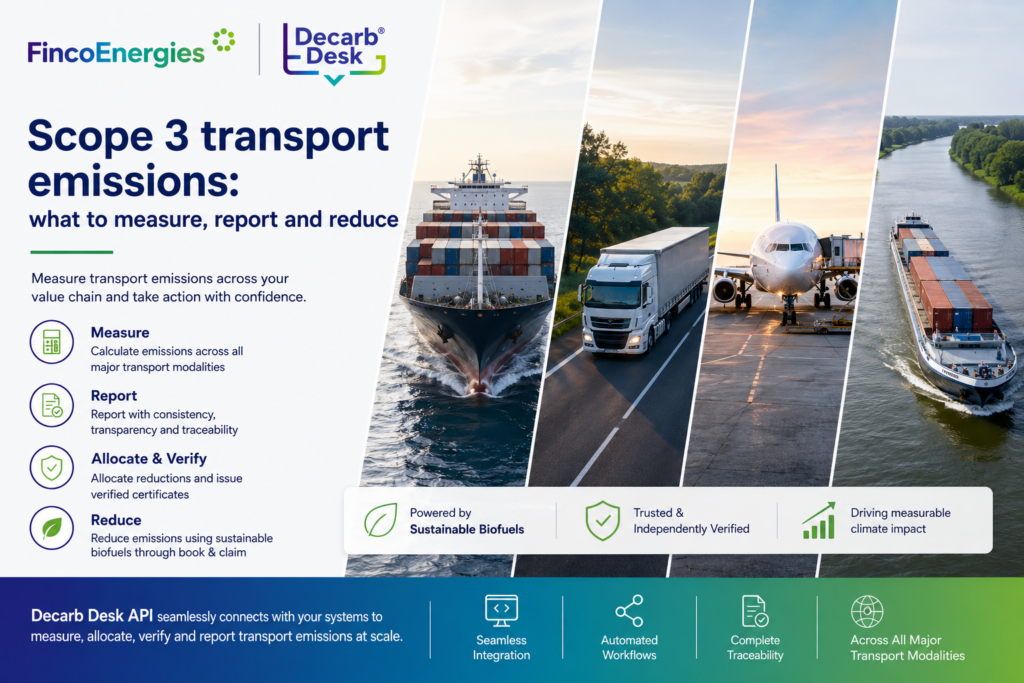
Learn what to measure, how to report transport emissions with confidence, and how Decarb Desk® helps companies calculate emissions, allocate verified CO₂e reductions and manage certificates across ocean, road, air and inland waterway transport.
Book and Claim vs. Mass Balance: what is the difference?
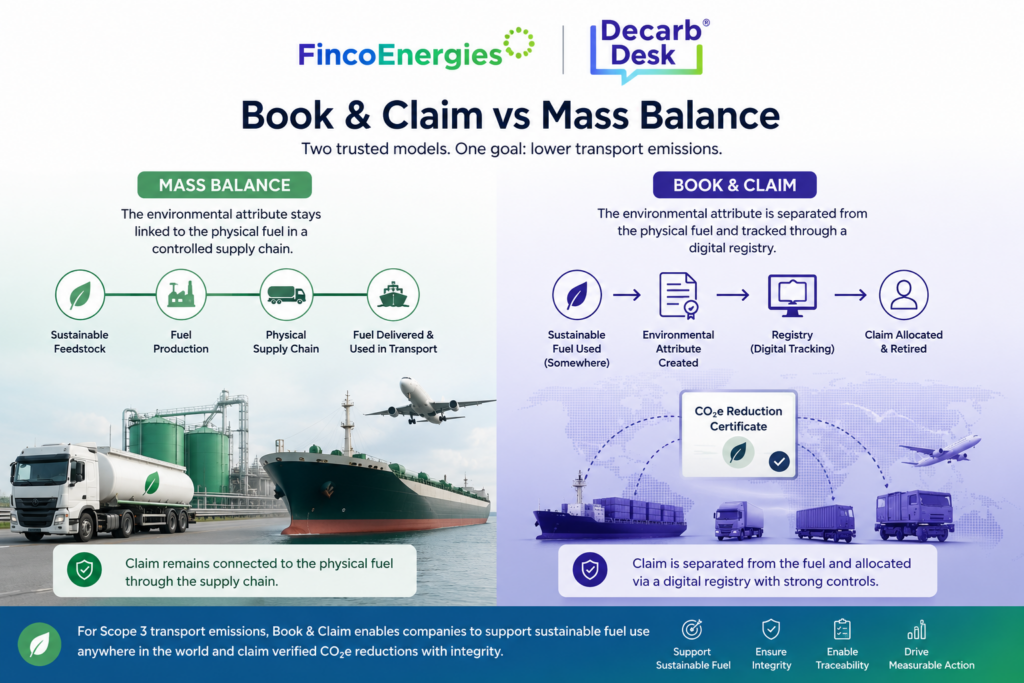
Mass Balance keeps a link with the physical fuel supply chain. Book and Claim separates the environmental attribute from the physical fuel flow and records it in a registry.
Layered landscape: why shipowners will need to take a multi-layered approach to meeting regulations on marine biofuels
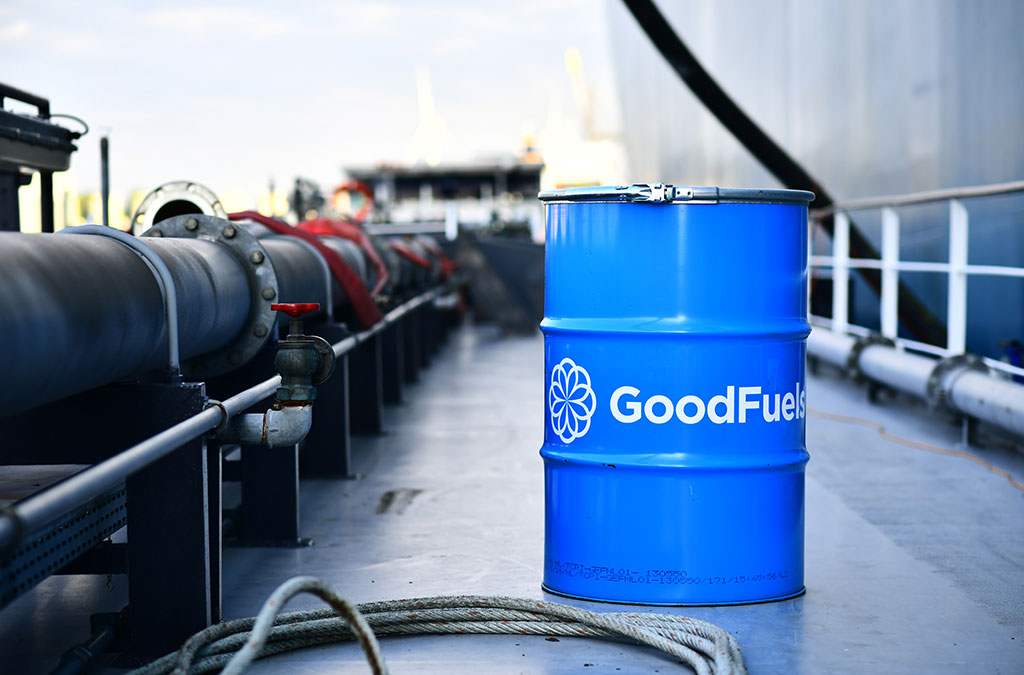
The maritime industry is undergoing a significant shift in how it approaches fuel procurement. What used to be a straightforward process – contacting suppliers, comparing prices, and securing the best deal – now demands deeper focus when it comes to low-carbon fuels, particularly on issues of sustainability and compliance.
Looking back on a year of progress and innovation, but what’s next?
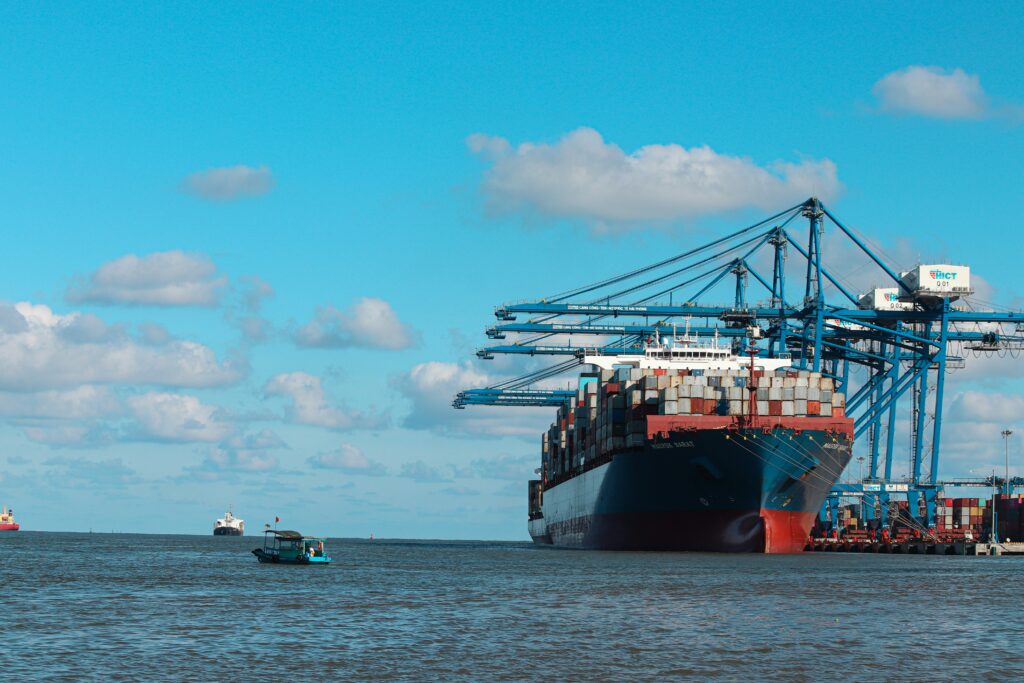
The decarbonisation of Europe’s transportation sector has accelerated in 2024, driven by regulatory developments, technological advancements, and growing demand for sustainable solutions.
HVO vs. Electric: Why a German district switched to biofuels instead of buying new electric buses
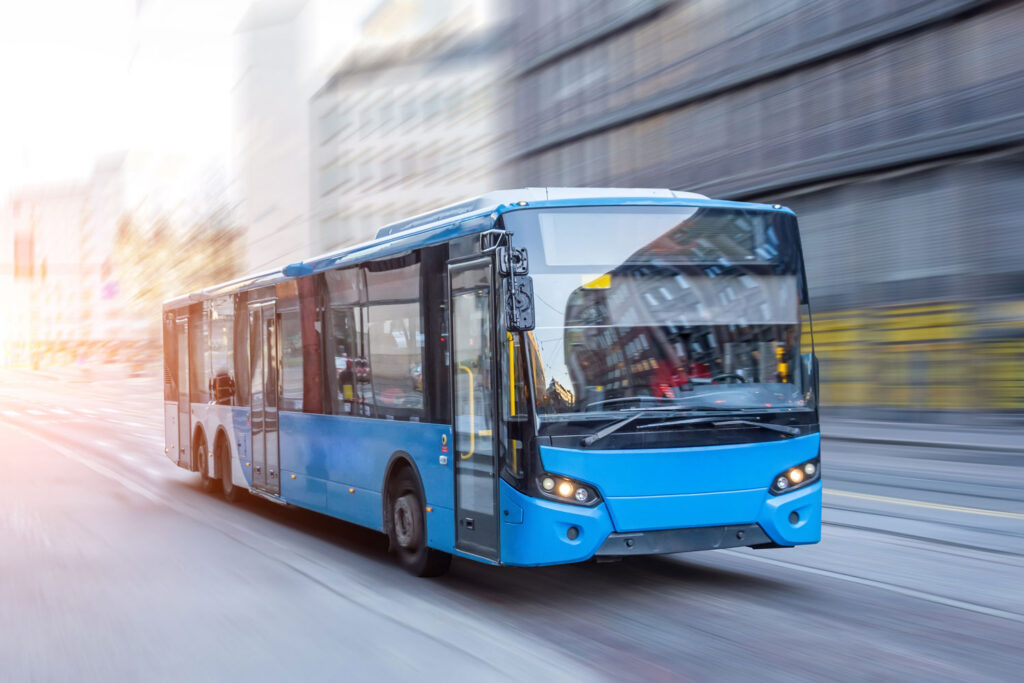
Citing the high cost of electric buses, Northwest Mecklenburg, a district in Germany, has decided to make its existing public transport fleet more sustainable by switching to HVO100 biofuel instead of investing in new electric buses.